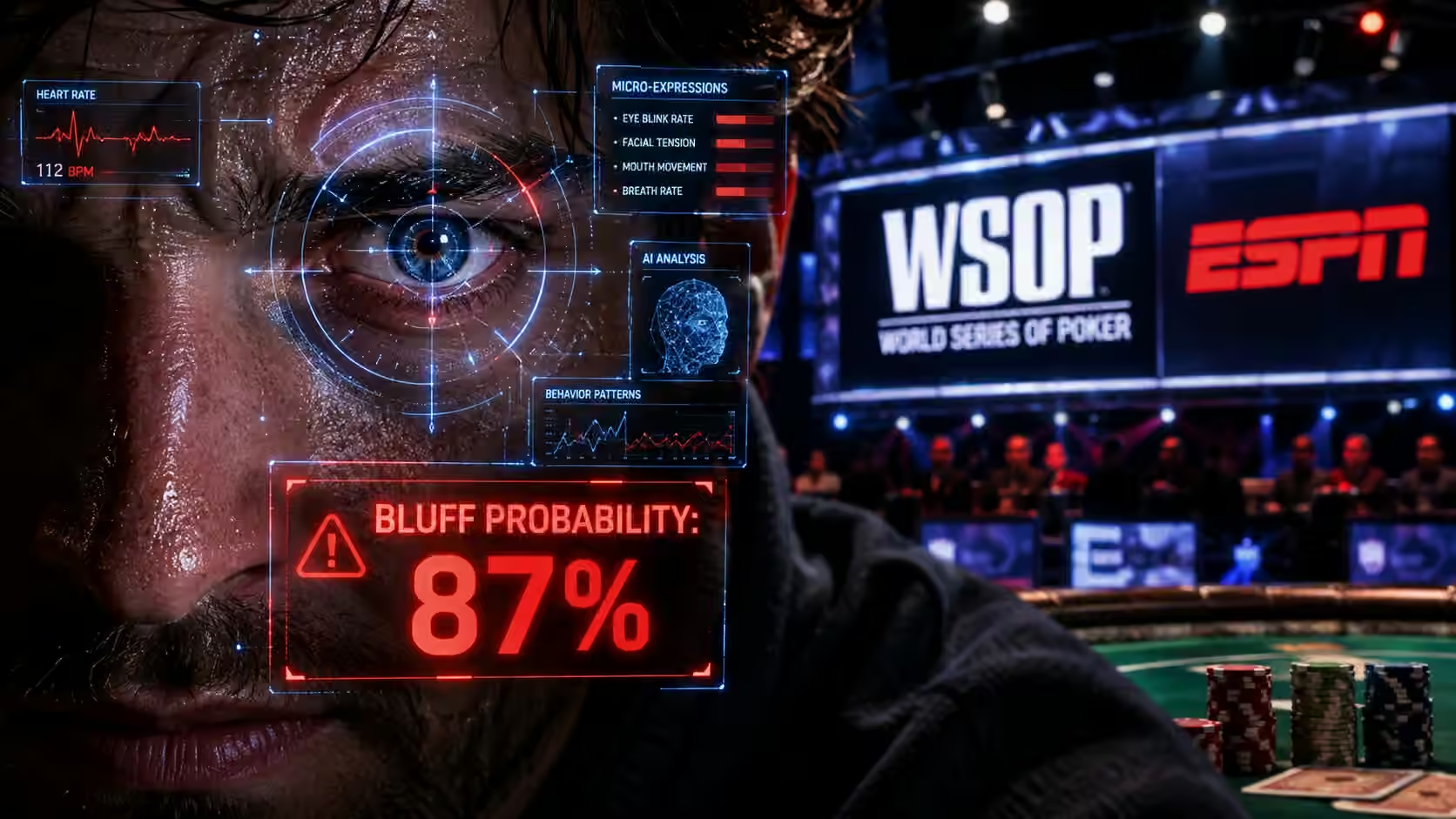
Может ли искусственный интеллект действительно понять, когда покерист блефует? Освещение Мировой серии покера 2026 года на ESPN попыталось ответить на этот вопрос с помощью экспериментальной ИИ-токсы в покере система — и этот результат стал одной из самых обсуждаемых технологических историй в покере за год.
Инструмент трансляции анализировал видимое поведение, такое как движения глаз, моргание, осанку, обращение с фишками и подергивание рук. Затем он отображал модель, оценивающую, может ли у игрока быть сильная готовая комбинация, дро или блеф.
Для зрителей эта графика предлагала нечто неотразимое: машину, которая, судя по всему, пыталась «читать» покерный фейс в реальном времени. Однако для профессионалов эксперимент поднял куда более сложные вопросы. Работала ли модель с достаточным количеством раздач? Могла ли она отличить настоящую уверенность от состояния игрока, который просто неверно оценил силу своей руки? Что происходило с физическими сигналами, которые камеры не могли зафиксировать?
Самая веская критика заключается вовсе не в том, что искусственный интеллект никогда не сможет распознать покерные теллсы. А в том, что красивая графика вероятностей может выглядеть гораздо более достоверно, чем того заслуживают реальные факты.
В этой статье рассказывается о том, как работал детектор блефа WSOP от ESPN, почему такие игроки, как Майкл Гальяно и Шон Диб, поставили его под сомнение, почему его убрали из трансляции финального стола и как обнаружение теллсов на базе ИИ может в конечном итоге повлиять на разбор игры, безопасность и правила турниров в живом покере.
Что такое детектор покерных теллсов от ESPN?
Во время некоторых частей трансляции Главного события WSOP 2026 года ESPN отображала наложение «AI tells detection». Система была создана Люком Гилом, инженером по искусственному интеллекту, который, согласно сообщениям, работает на Военно-воздушные силы США.
Модель использовала записи телевизионных раздач Main Event для создания поведенческих профилей. Сообщается, что на вход подавались:
- Движения глаз
- Частота моргания
- Изменение осанки
- Движения с фишками
- Суета с руками
- Другие заметные поведенческие паттерны
Сравнив эти сигналы с известными исходами раздач, система попыталась оценить тип карт, которые могут быть у игрока. Телевизионная графика могла отображать вероятности для таких категорий, как сильная готовая рука, дро-рука или блеф.
Это отличает инструмент от обычного покерного солвера. Солвер изучает действия, диапазоны, размеры ставок и теорию игр. Эта система пыталась изучить человека.
Читателям, не знакомым с различиями, следует сравнить наше руководство с лучшие инструменты, калькуляторы и солверы для анализа покера в нашей статье о чтение физических теллсов в покере. Один анализирует дерево решений, а другой ищет утечки информации из человеческого поведения.
Почему эта функция стала покерным трендом
Покерным телетрансляциям всегда был нужен способ сделать скрытую информацию видимой. Камера для карманных карт изменила телевизионный покер, так как зрители могли видеть карты, а игроки — нет. Позже процент эквити в реальном времени упростил понимание плотных олл-инов.
Детектор на базе ИИ сделал следующий шаг: он не просто показывает карты игрока, но и намекает на то, что выдает тело игрока до окончания раздачи.
Это сильная телевизионная идея. Зритель видит, как игрок делает крупную ставку на ривере, а затем наблюдает, как искусственный интеллект выдает графику с повышенными индикаторами блефа. Раздача превращается в детектив с подозреваемым прямо на экране.
Эта функция также появилась во время крупного возвращения WSOP на ESPN в рамках многолетнего соглашения о трансляциях. Сеть и Omaha Productions пытались представить покер с темпом, графикой и повествованием, связанными с основными видами спорта. Наш предыдущий анализ Трансляции WSOP и возвращение ESPN в покер объясняет, почему новые функции трансляций важны далеко за пределами одного турнира.
Но покер — это не футбол. Скоростная графика может измерить, с какой скоростью летит мяч. Поведенческая модель не может напрямую определить, блефует ли кто-то. Она оценивает скрытое намерение по неполным данным — и именно в этой разнице кроется источник споров.
Самая большая проблема: у ИИ было недостаточно данных
Системы машинного обучения становятся полезнее, когда могут изучать большие, однородные и правильно размеченные выборки. Главное событие WSOP собрало тысячи игроков, но лишь малая их часть регулярно попадала за телевизионные столы.
По имеющимся данным, модель использовала запись с трех основных столов. Даже игрок, дошедший до поздних стадий, мог попасть лишь в небольшое число транслируемых раздач. Это создает несколько уязвимостей:
- У отдельного игрока может быть слишком мало записанных блефов.
- Сильные руки могут выпадать в разных эмоциональных ситуациях.
- Ракурсы камеры и освещение могут измениться.
- Игрок может вести себя по-разному в начале и в конце турнира.
- Известные вскрытия карт могут представлять лишь искаженную выборку всех раздач.
Майкл Гальяно, один из финалистов Main Event 2026 года, пересмотрел доступные записи ESPN во время перерыва перед финальным столом. Сообщается, что даже после детального изучения стримов он усомнился в том, сколько полезной информации можно выжать из столь ограниченной выборки.
Если опытный профессионал не может сделать уверенный вывод по видеозаписи, перед ИИ встает та же фундаментальная проблема. Он может обрабатывать визуальные детали быстрее, но он не способен породить наблюдения, которых никогда не было на записи.
Теллз не всегда автоматически раскрывает силу руки
Более глубокая проблема концептуальна.
Допустим, ИИ правильно определяет, что игрок выглядит расслабленно. Что это значит?
- Игрок может держать на руках натс.
- Игрок может блефовать, но уже смирился с риском.
- Игрок может ошибочно полагать, что рука средней силы непобедима.
- Игрок может просто чувствовать себя комфортно перед камерой.
- Игрок может вести себя спокойно в каждом крупном банке.
Физическое поведение может выдать эмоции, но эмоции — это еще не объективная сила руки.
Любитель может выглядеть уверенно с двумя парами на доске, где профессионал понимает, что две пары — это всего лишь ловушка для блефа. Профессионал может нервничать с очень сильной рукой, потому что на кону миллионы долларов. Тело может отражать то, как игрок воспринимает ситуацию, а не реальную силу карт.
Вот почему серьезные чтение рук в покере начинается с позиции, префлоп-диапазона, структуры борда, размеров ставок и предыдущих действий. Физический телл должен дополнять этот анализ, а не заменять его.
Чего камеры не смогли увидеть
Шон Диб утверждал, что физические признаки гораздо шире, чем движения лица и манипуляции с фишками. Опытные наблюдатели могут следить за дыханием, голосом, пульсом, движениями ног, тем, как проверяются карты, изменениями в разговоре и тем, как игрок тянется к фишкам.
Телекамера обычно показывает лишь часть стола и лишь часть тела. Она может не заметить:
- Движения под столом
- Изменения глубины дыхания
- Видимый пульс на шее
- Напряжение в стопах и ногах
- То, как именно игрок впервые посмотрел в карты
- Тонкие взаимодействия до начала телевизионного шоу
Звук тоже создает проблемы. Микрофон может записать фразу, но упустить изменения громкости, темпа или интонации, необходимые для надежного сравнения. Фоновый шум, комментарии и монтаж могут еще больше снизить стабильность.
Специалисты по физическим теллам не просто смотрят в лицо. Они наблюдают за игроком с течением времени, устанавливают базовую линию поведения и сравнивают его действия в аналогичных ситуациях. Модель на основе камер с ограниченным числом раздач может заметить движение, не понимая, является ли оно необычным для данного человека.
Почему один «сигнал блефа» обычно ничего не значит
Популярная покерная культура насаждает мысль о существовании одного волшебного теллса: трогает нос — значит слаб, трясутся руки — силен, отводит взгляд — блефует.
Чтение реальных телл редко бывает таким простым.
Для полезного рида обычно требуется совокупность информации:
- Базовый уровень: Как этот игрок обычно сидит, разговаривает и обращается с фишками?
- Изменение: Что изменилось в этой конкретной раздаче?
- Синхронизация: Изменения произошли до или после ставки?
- Контекст: Стоит ли на кону вылет из турнира, небольшой банк в кеш-игре или телетрансляция финального стола?
- Поддержка диапазона: Содержит ли линия ставок достаточно логичных блефов?
Наложение ИИ может побудить зрителей изменить этот порядок. Они видят «вероятность блефа» в первую очередь, а затем интерпретируют каждое движение как доказательство.
Сильные игроки поступают наоборот. Сначала они формируют диапазон, рассчитывают цену, а затем используют физическую информацию, чтобы решить, склоняет ли близкий колл немного к коллу или фолду. Наше руководство по мышление в покерных диапазонах служит основой, которую не заменит никакая графика для поиска теллзов.
Почему ESPN не использовал инструмент за финальным столом
Детектор ИИ-признаков появился во время освещения Main Event в июле, но Omaha Productions подтвердила, что он не будет использоваться во время финального стола. Публичных объяснений в отчете, объявляющем это решение, предоставлено не было.
Есть несколько правдоподобных причин, хотя они остаются интерпретациями, а не подтвержденными объяснениями:
- Возможно, модель оказалась недостаточно точной для крупной трансляции.
- Графика могла отвлекать от игроков и карт.
- Продюсеры, возможно, хотели избежать намеков на то, что экспериментальная оценка была надежной.
- Критика со стороны игроков могла снизить доверие к этой функции.
- В трансляции финального стола и так могло быть достаточно графики и сюжетных линий.
Удаление инструмента не доказывает его провал. Экспериментальные функции трансляций часто тестируются и дорабатываются. Но это решение имеет значение, поскольку за финальным столом собралась бы самая большая аудитория и было бы больше всего повторных записей одних и тех же игроков.
Является ли определение теллсов с помощью ИИ читерством?
Как телевизионная графика, показанная зрителям, этот инструмент не является тем же самым, что и игрок, получающий помощь в реальном времени за столом. Финалисты не могут видеть трансляцию во время принятия решений, а телевизионный покер обычно работает с задержкой для защиты информации о карманных картах.
Этическая проблема меняется кардинально, если игрок или помощник могут получить доступ к аналогичному анализу прямо во время игры.
Представьте себе умные очки, которые опознают соперника, сравнивают его текущее поведение с тысячами записанных раздач и конфиденциально выводят оценку блефа. Это переведет технологию из разряда развлечений в помощь в реальном времени.
В большинстве серьезных соревнований уже запрещены электронные устройства, внешняя связь и инструменты, способные дать стратегическое преимущество. Более широкая проблема честности связана с вопросами, рассмотренными в нашем отчете о мошенничество в живом покере, риски RFID-карт и скрытых камер.
Онлайн-покер столкнулся с похожей проблемой ботов и подсказчиков в реальном времени. Разбор после сессии — это совсем не то же самое, что получать подсказки прямо во время раздачи. Наш гид по Покерные боты и RTA объясняет, почему время оказания помощи имеет такое же значение, как и сама технология.
Может ли ИИ превзойти людей в чтении теллсов?
Это возможно, но системе понадобятся гораздо лучшие данные и более четкое определение успеха.
Будущая модель сможет проанализировать тысячи часов с участием одних и тех же профессионалов высоких лимитов. Она сможет сопоставить:
- Поведение до проверки по сравнению со ставкой
- Движение в блефах по сравнению с ставками на велью
- Изменения в зависимости от глубины стека и стадии турнира
- Речевые паттерны в маленьких и больших банках
- Индивидуальные базовые показатели вместо универсальных теллсов
- Как меняется поведение против конкретных оппонентов
ИИ имеет преимущество в памяти. Наблюдатель-человек может забыть, как игрок обращался с фишками полгода назад, а модель способна сравнить тысячи помеченных фрагментов.
Тем не менее, большее количество записей автоматически не решает проблему разметки. Многие покерные раздачи заканчиваются без вскрытия, поэтому настоящие карты остаются неизвестными. Даже когда карты открываются, система должна различать ставки на вэлью от тонкого вэлью, полублеф от чистого блефа и уверенные ошибки от правильной оценки.
Лучший будущий инструмент может не говорить: «Этот игрок блефует». Он может сказать что-то более узкое и честное: «Частота моргания и поза этого игрока значительно отличаются от их личной нормы в аналогичных ситуациях на ривере». Игроку в покер все равно придется решать, что означает это изменение.
ИИ-теллсы в покере против покерных солверов
| Инструмент | Основной ввод | Основной результат | Главное ограничение |
|---|---|---|---|
| Детектор ИИ-телл | Видео, аудио и поведение | Оценочные эмоциональные или типовые паттерны рук | Ограниченные данные и неоднозначная трактовка |
| Покерный решатель | Диапазоны, размеры стеков, борды и размеры ставок | Стратегия теории игр | Требует точных допущений и абстракций |
| HUD или трекер | Записанные действия в ставках | Статистические тенденции | Размер выборки и правила платформы |
| Эксперт по чтению человеческих теллсов | Наблюдение в реальном времени и контекст | Exploitative Adjustment | Предвзятость, память и ограниченное внимание |
Эти инструменты отвечают на разные вопросы. Солвер спрашивает, как выглядит теоретически сильная стратегия. Трекер спрашивает, как часто оппонент совершает определенное действие. Детектор теллзов спрашивает, меняется ли видимое поведение при изменении скрытой информации.
Путать эти цели — верный путь к плохой стратегии. Модель ИИ может распознать напряжение, но это не докажет, что колл будет прибыльным. Солвер может посоветовать блеф, не зная, что конкретный соперник никогда не сбрасывает карты. Человеческое суждение все еще необходимо.
Наша статья ИИ умеет говорить о покере, но способен ли он играть? исследует тот же разрыв между созданием убедительного анализа и принятием надежных решений.
Чему игроки в покер могут научиться на примере эксперимента ESPN
Спор даже полезен, даже если текущая модель недостаточно точна, чтобы победить профессиональных наблюдателей.
1. Сформируйте индивидуальные базовые показатели
Не ищите универсальных правил языка тела. Посмотрите, как конкретный оппонент ведет себя в обычных раздачах, а затем обратите внимание на значимые изменения.
2. Сравните похожие ситуации
Поведение игрока в банке на 50 долларов нельзя напрямую сравнивать с поведением при угрозе вылета из Главного события. Давление меняет исходные данные.
3. Используйте подсказки только для близких решений
Если шансы банка и анализ диапазона приводят к очевидному фолду, одно движение глаз не должно превращать его в колл.
4. Следите за утечкой собственной информации
Игроки часто тратят все силы на чтение оппонентов и забывают про собственные повторяющиеся паттерны. Запись тренировочной сессии может выдать тайминг, дыхание или привычки обращения с фишками.
5. Не позволяйте технологиям заменять наблюдательность
ИИ может организовывать видеозаписи и выделять закономерности, но он также может усиливать ложные корреляции. Просмотрите исходные раздачи и спросите, имеет ли закономерность стратегический смысл.
При ответственном использовании после игры эта технология может стать тренировочным пособием. Наше руководство по использование ИИ для изучения покера без жульничества объясняет грань между законным анализом и запрещенной помощью.
Может ли это изменить покерные трансляции?
Да, даже если первая версия исчезнет.
В будущих трансляциях ИИ сможет:
- Выявление необычных изменений в поведении игрока
- Искать в старых записях похожие раздачи
- Измеряйте время принятия решения по улицам и размеру ставки
- Создайте профили склонностей конкретных игроков
- Предложите раздачи для разбора комментаторами
- Создавайте интерактивные прогнозы для зрителей
Опасность заключается в подаче материала. Шкала вероятностей может выглядеть научно, даже если выборка крошечная. Телеведущим следует четко показывать неопределенность, объяснять, какие данные использовались, и избегать представления корреляции в качестве доказательства блефа.
Лучшая версия дополняла бы комментарии, а не заменяла их. Комментатор мог бы отметить, что модель заметила изменение в поведении, а затем объяснить, почему размер ставки все равно важнее.
Часто задаваемые вопросы об ИИ-тиллзах в покере
Что представляет собой детектор покерных тиллзов с ИИ от ESPN?
Это экспериментальный инструмент для трансляций, использовавшийся во время части освещения Главного события WSOP 2026 года. Он анализировал видимое поведение игрока и оценивал возможные категории рук, такие как сильные руки, дро или блефы.
Какое поведение проанализировал искусственный интеллект?
Сообщалось, что в качестве входных данных использовались движения глаз, частота моргания, осанка, обращение с фишками и подергивания рук, зафиксированные камерами трансляции.
Кто создал инструмент для определения теллзов на WSOP?
Система была разработана Люком Гилом, инженером по ИИ, который, как сообщается, работает на Военно-воздушные силы США.
Использовался ли ИИ за финальным столом WSOP?
Нет. В Omaha Productions заявили, что эту функцию не будут использовать за финальным столом, хотя в отчете не назвали публичных причин для такого решения.
Почему профессионалы покера были скептичны?
Основные проблемы заключались в ограниченном количестве показанных раздач, неполном охвате камерой и сложности прямого соотнесения видимых эмоций с объективной силой руки.
Может ли ИИ распознать, когда кто-то блефует?
ИИ умеет находить повторяющиеся паттерны поведения, но сам по себе паттерн не доказывает наличие умысла. Чтобы надежно распознавать блеф, все равно нужны контекст, диапазоны, размеры ставок и достаточная выборка по конкретному игроку.
Разрешено ли использовать ИИ для изучения покерных записей?
Разбор раздач после сессии может быть разрешен в зависимости от события и платформы. Получение автоматизированных подсказок в реальном времени во время раздачи — это другой вопрос, и оно может нарушать правила турнира или покерного клуба.
Смогут ли умные очки замечать покерные тиллзы?
Будущие носимые системы теоретически могли бы анализировать поведение в реальном времени, поэтому правила, касающиеся электронных устройств и внешней помощи, могут стать более важными.
Важнее ли физические теллсы, чем покерные диапазоны?
Нет. Построение диапазонов, пот-оддсы и действия на торгах должны определять решение. Физические теллсы наиболее полезны в качестве дополнительной корректировки в спорных ситуациях.
Станет ли ESPN снова использовать ИИ для поиска тиллзов?
В доступных на момент написания материалах не было подтверждено никаких планов на будущее. Функция может быть доработана, протестирована повторно или закрыта.
Итог: впечатляющая графика, непроверенный рид
ESPN’s ИИ-токсы в покере телефонный детектор создал именно то, для чего предназначена новая телевизионная фишка: любопытство, споры и внимание.
Концепция вполне заслуживает доверия. Человеческое поведение содержит паттерны, а машины способны проанализировать больше записей, чем любой наблюдатель. При наличии достаточного количества качественных данных ИИ со временем сможет эффективно выявлять изменения, которые люди упускают из виду.
Текущее утверждение должно оставаться более узким. Ограниченное освещение камеры, небольшие выборки игроков и разница между эмоциями и реальной силой руки делают уверенные прогнозы блефа чрезвычайно трудными. Система может обнаружить движение, но движение все еще требует интерпретации.
Главный урок для игроков в покер заключается не в том, чтобы бояться машины, способной раскусить любой блеф. А в том, чтобы понимать, как легко выглядящая профессионально вероятность может породить ложную уверенность.
Используйте теллсы как подсказки, а не как готовые ответы. Составляйте диапазон, считайте цену, изучайте соперника и только потом решайте, меняет ли его поведение общую картину. Такой подход всегда надежнее любой графики — будь то от человека или ИИ.