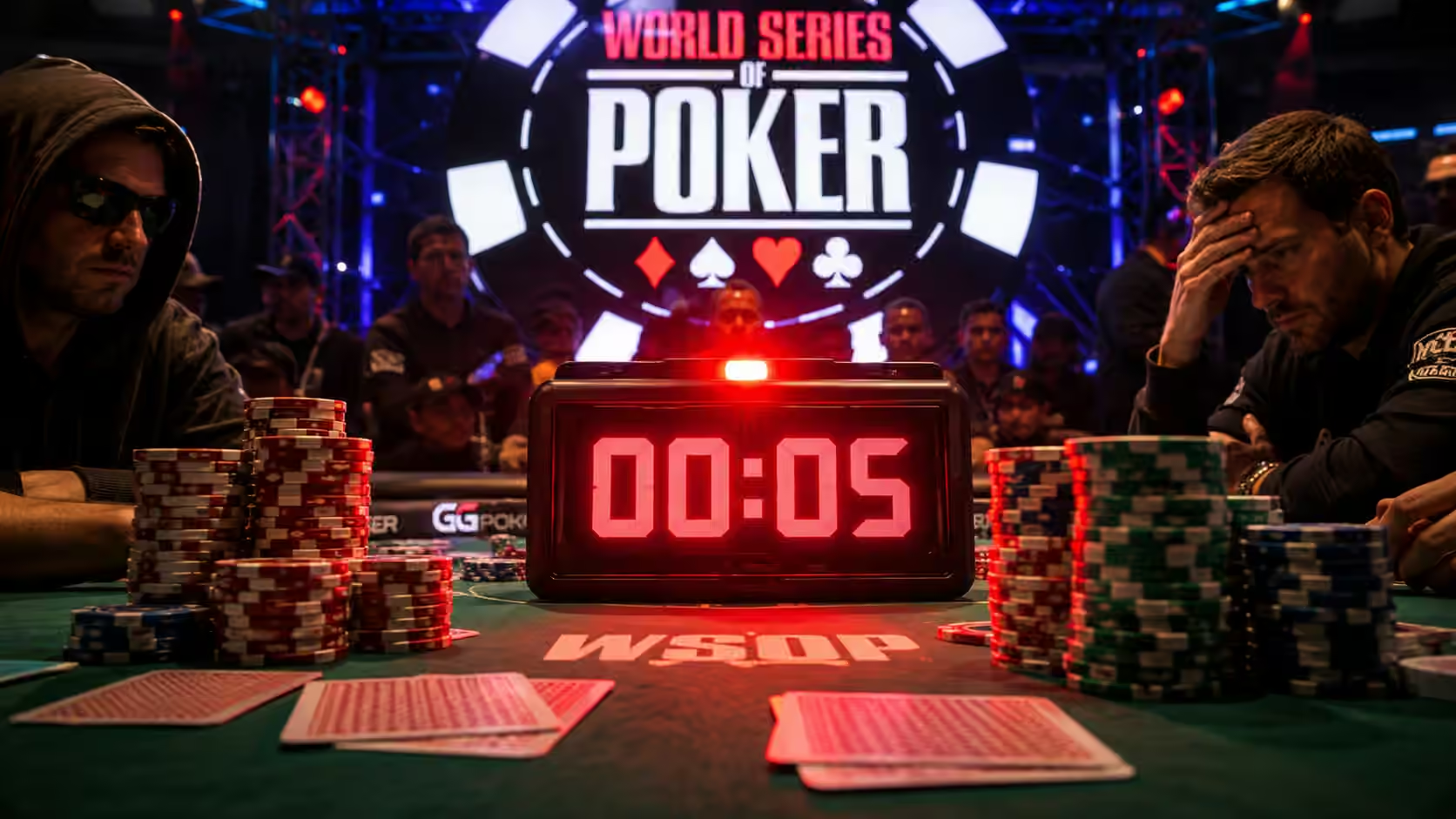
El Controversia del reloj de tiro en el Evento Principal de las WSOP se convirtió en uno de los debates de póker más acalorados de 2026 después de que los funcionarios del torneo introdujeran un nuevo reloj de acción en el Día 7, después de que el evento ya hubiera estado en marcha durante casi una semana.
El cambio se produjo tras varias decisiones extremadamente largas, incluida una pausa de 17 minutos reportada en el Día 6. Cuando se reanudó el juego, a todos los jugadores restantes se les exigió de repente actuar en 20 segundos antes del flop y 30 segundos después del flop, con seis extensiones de tiempo de 30 segundos disponibles para el día.
Muchos profesionales del póker apoyan los relojes de tiro en principio. Las críticas no fueron principalmente por acelerar el juego. Se trataba de cambiar las condiciones competitivas en medio del torneo más importante del póker, cuando ya estaban en juego millones de dólares y el campeonato mundial.
¿Tuvieron razón las WSOP al detener el exceso de reflexión? ¿El cambio de regla tardío favoreció injustamente a los profesionales de altas apuestas que ya usan relojes de acción regularmente? ¿Y todos los principales torneos de póker deberían introducir ahora un reloj de tiro desde la primera mano?
Este artículo explica exactamente qué pasó, por qué los jugadores se enojaron, cómo afectó la regla a la estrategia y qué podría significar la controversia de 2026 para el futuro del póker en vivo. Para ver el calendario completo del torneo y los antecedentes, consulta nuestro Guía del Evento Principal de la WSOP 2026.
¿Qué pasó en el Main Event de las WSOP 2026?
El Evento Principal comenzó sin un reloj de tiro para todo el torneo. Los jugadores siguieron el sistema tradicional del póker en vivo: se esperaba que actuaran dentro de un tiempo razonable, y otro jugador podía pedir el reloj si una decisión se volvía excesivamente larga.
Eso cambió antes del Día 7. Según el anuncio hecho durante la transmisión oficial, a los organizadores del torneo les preocupaban las reiteradas pausas largas del día anterior. El ejemplo más comentado habría durado aproximadamente 17 minutos en una sola decisión.
Cuando comenzó el Día 7, se informó a los jugadores restantes que un reloj controlaría cada acción.
Las nuevas reglas de tiempo del Día 7
- Decisiones preflop: 20 segundos
- Decisiones postflop: 30 segundos por ronda
- Extensiones de tiempo: Seis tarjetas por jugador
- Cada extensión: 30 segundos adicionales
- Reiniciar: Se emitieron seis extensiones para el día
Un jugador que use todas las extensiones en una decisión postflop podría recibir un máximo de tres minutos y 30 segundos. Una vez que se agotaran las seis extensiones, ese jugador solo tendría los 20 o 30 segundos estándar para cada decisión posterior.
Las reglas de la WSOP permitían a la dirección del torneo introducir un reloj de tiro para todo el evento en cualquier etapa. Eso significa que la decisión estaba permitida según las reglas publicadas. Pero una regla puede estar técnicamente permitida y aun así plantear preguntas legítimas sobre la equidad, la notificación y el equilibrio competitivo.
¿Por qué el WSOP introdujo un reloj de tiro?
La razón inmediata fue el exceso de reflexión. Las decisiones largas pueden ser comprensibles cuando un jugador se enfrenta a un all-in que define su carrera, pero las reflexiones repetidas dañan el torneo de varias maneras.
Se juegan menos manos
Cada pausa larga reduce el número de manos repartidas durante un nivel. Esto importa porque diferentes mesas pueden jugar a diferentes velocidades. Una mesa lenta da a los stacks cortos menos oportunidades antes de que suban las ciegas, mientras que una mesa rápida puede completar significativamente más manos en el mismo nivel de dos horas.
Los jugadores pueden demorar para saltos de pago
Cerca de la burbuja o de un aumento importante de los pagos, los jugadores pueden usar intencionadamente tiempo extra esperando que alguien sea eliminado en otra mesa. Esto no siempre es lo suficientemente obvio como para sancionarlo como mala conducta, pero puede distorsionar la competición.
La presión estratégica en torno a estos momentos se explica en nuestro guía de estrategia de juego de burbuja. El valor de un jugador en el torneo puede cambiar drásticamente sin que ese jugador entre en una mano, lo que crea un fuerte incentivo para retrasar.
Las transmisiones se vuelven difíciles de ver
La televisión de póker necesita tensión, pero hay una diferencia entre un tiempo de reflexión dramático y varios minutos de silencio antes de acciones rutinarias. ESPN estaba transmitiendo el Evento Principal, por lo que muchos fanáticos se preguntaron naturalmente si las consideraciones televisivas influyeron en la decisión. Hubo especulación pública, pero la razón declarada para el cambio fue la cantidad de "tanking" (demora excesiva) durante el Día 6, no una exigencia confirmada de ESPN.
Otros jugadores pierden la concentración
Una mesa puede frustrarse cuando un jugador se toma varios minutos repetidamente. Esa frustración cambia el ambiente, aumenta los conflictos y puede llevar a reclamos agresivos sobre el reloj. El resultado suele ser una peor etiqueta en el póker y más discusiones entre los jugadores.
Nuestra guía para etiqueta de mesa en el póker explica por qué un ritmo razonable es parte de la responsabilidad no escrita que todos los jugadores en vivo comparten.
Por qué los jugadores consideraron injusto el cambio
La crítica más fuerte no fue que los relojes de acción sean malos. Varios jugadores que apoyan públicamente los relojes de acción todavía se opusieron a introducir uno en el Día 7.
1. Las condiciones del torneo cambiaron a mitad del evento
Los jugadores entraron al Evento Principal esperando un sistema de decisión. Llegaron a las etapas finales bajo ese sistema, y luego se enfrentaron a uno nuevo cuando la presión y los pagos estaban en su punto más alto.
Imagina comenzar un maratón bajo un conjunto de reglas y enterarte cerca de la meta de que las últimas millas usarán un límite de tiempo diferente. La nueva regla puede mejorar la carrera en general, pero el tiempo aún afecta a los competidores de manera diferente.
2. Los profesionales de altas apuestas tenían más experiencia
Los relojes de tiro son comunes en los torneos de élite para grandes apostadores. Los profesionales que juegan habitualmente en esos eventos ya saben cómo organizar sus pensamientos, proteger las extensiones de tiempo y tomar decisiones rutinarias antes de que el reloj se convierta en una distracción.
Muchos jugadores del Main Event no son jugadores de grandes apuestas. Algunos se clasificaron a través de satélites, eventos locales o entradas más pequeñas. Para un aficionado que nunca ha jugado con una cuenta regresiva visible, el reloj en sí puede crear estrés adicional.
Se supone que el Evento Principal mezcla profesionales y jugadores recreativos en el mismo campo. Un cambio de procedimiento tardío que beneficia al grupo más experimentado naturalmente produce críticas.
3. Seis extensiones de tiempo pueden ser muy pocas
El Evento Principal utiliza niveles largos y puede implicar muchas horas de juego. Seis extensiones pueden sonar generosas, pero una órbita difícil puede consumir varias de ellas.
Un jugador podría enfrentarse a un all-in en el river, una gran resubida preflop y un shove con mucho ICM en un corto período. Una vez que las extensiones desaparecen, cada decisión posterior debe tomarse rápidamente, incluso si vale cientos de miles de dólares.
4. El reloj puede convertirse en una nueva fuente de presión
Los jugadores no solo piensan en rangos, probabilidades del bote y oponentes. Bajo un reloj de tiro, también deben monitorear la cuenta regresiva, decidir si usar una tarjeta de tiempo y evitar tiempos fuera accidentales.
Para los jugadores experimentados, este proceso se vuelve automático. Para los usuarios primerizos, puede interrumpir la concentración. El problema es especialmente grave cuando un jugador ya está lidiando con luces de televisión, cámaras, espectadores y saltos de premios que cambian la vida.
5. La Personalidad del Póker Puede Reducirse
Algunos de los momentos televisados más memorables del póker ocurrieron porque los jugadores tuvieron tiempo para hablar, reaccionar y crear tensión. Un reloj rígido puede reducir el estancamiento excesivo, pero también puede hacer que el juego se sienta más mecánico.
Esto no significa que el póker deba permitir tiempos de reflexión ilimitados. Significa que los organizadores del torneo deben encontrar un equilibrio entre el ritmo y el entretenimiento. El juego más rápido posible no es automáticamente el mejor producto para ver.
¿Fue legal el cambio de regla?
Sí. Las reglas publicadas de la WSOP se reservaban el derecho de implementar un reloj de tiro para todo el torneo en cualquier momento de un evento.
Ese detalle importa porque separa la controversia de las acusaciones de incumplimiento de las reglas. La WSOP no inventó una autoridad que estuviera ausente de sus reglas. La dirección del torneo ya había protegido su derecho a actuar.
Sin embargo, la legalidad no es lo mismo que un buen diseño de torneo. La pregunta central es si los jugadores recibieron suficiente aviso y si el sistema se introdujo de la manera más justa posible.
Esta distinción aparece a menudo en el póker. Una jugada puede estar permitida y aun así violar el espíritu de la competencia justa, al igual que algunos comportamientos caen en el área gris discutida en nuestro artículo sobre the real cost of angle shooting in poker.
¿Qué es un reloj de tiro en el póker?
Un reloj de póker es una cuenta atrás fija que limita el tiempo disponible para cada decisión. Los jugadores suelen recibir un pequeño número de extensiones de tiempo de reflexión para situaciones difíciles.
El sistema está diseñado para reemplazar las llamadas de reloj inconsistentes con un proceso estándar. En lugar de que un jugador decida cuándo otro ha tardado demasiado, todos los jugadores siguen el mismo límite visible.
Ventajas de un Shot Clock de Póker
- Previene reflexiones extremas
- Crea un ritmo más consistente
- Reduce el estancamiento deliberado
- Aumenta las manos por nivel
- Hace que las transmisiones en vivo sean más fáciles de seguir
- Elimina el conflicto personal por pedir el reloj
Desventajas de un reloj de tiro en el póker
- Puede poner en desventaja a los jugadores inexpertos
- Añade presión durante decisiones complejas
- Puede reducir la conversación y la personalidad en la mesa
- Puede causar tiempos de espera accidentales
- Recompensa a los jugadores que se han entrenado bajo sistemas similares
- Puede fomentar decisiones apresuradas después de usar los tiempos de reflexión
El debate más amplio es similar al problema de la velocidad en el póker en línea. Una acción más rápida produce más manos, pero más manos no siempre significan mejores decisiones. Examinamos esa compensación en La Trampa del Fast-Fold: Más Manos de Póker, Menos Tiempo para Pensar.
Cómo el Shot Clock Cambió la Estrategia
Un reloj de tiro hace más que acortar las decisiones. Cambia cómo los jugadores se preparan y cómo gestionan la información.
Los rangos preflop deben prepararse con antelación
Con solo 20 segundos antes del flop, los jugadores no pueden reconstruir toda una estrategia desde el principio en cada mano. Necesitan rangos claros de apertura, igualar, tres apuestas y empujar antes de que la acción les llegue.
Los jugadores más fuertes usan el tiempo mientras los oponentes actúan para calcular los tamaños de las pilas y las respuestas probables. Cuando llega la decisión, están confirmando un plan en lugar de crearlo de la nada.
Las extensiones de tiempo se convierten en un recurso estratégico
Una tarjeta de tiempo tiene valor. Usarla en una decisión rutinaria puede dejar al jugador expuesto más tarde en un bote mucho mayor.
El mejor enfoque es reservar las extensiones para decisiones que realmente requieren cálculos adicionales: apuestas grandes en ríos, tamaños inusuales, all-ins multiway o situaciones importantes de ICM.
Las decisiones del ICM se vuelven más difíciles
Al final del Evento Principal, el valor de las fichas no es igual al valor en efectivo. Una llamada marginal puede arriesgar un enorme salto en el pago, particularmente cuando quedan stacks más cortos en otras mesas.
Entender ICM en el póker es difícil sin un temporizador. Bajo un reloj de 20 o 30 segundos, los jugadores deben reconocer las variables importantes casi al instante.
Las pistas de tiempo se vuelven menos fiables
En el póker en vivo normal, la velocidad de decisión puede revelar confianza, incertidumbre o preparación. Un reloj de tiro comprime muchas acciones en patrones de tiempo similares.
Al mismo tiempo, el uso de una extensión de tiempo puede convertirse en información. Los oponentes pueden notar qué situaciones obligan a un jugador a pasar tiempo extra. Nuestro análisis de el tiempo y el tamaño de las apuestas explica por qué el tiempo sigue siendo útil solo cuando se interpreta cuidadosamente.
El control emocional se vuelve más importante
Una cuenta regresiva visible puede generar pánico. Los jugadores que se sientan apurados pueden tomar decisiones automáticas, agotar sus bancos de tiempo o enfadarse después de un tiempo límite.
Los mejores jugadores de torneos tratan el reloj como parte del entorno en lugar de una amenaza personal. Esa disciplina emocional se conecta directamente con las habilidades cubiertas en El juego mental del póker.
¿Favoreció el Shot Clock a los Jugadores Profesionales?
Probablemente, al menos al principio.
Los profesionales familiarizados con las partidas de altas apuestas ya tienen rutinas para jugar bajo presión de tiempo. Saben cuándo mirar los conteos de fichas, cómo usar el tiempo de reflexión de los oponentes y qué decisiones merecen una extensión.
Los aficionados pueden necesitar varias sesiones para sentirse cómodos. Introducir el reloj en el Día 7 no les dio ningún período de práctica. Su primera experiencia ocurrió durante la racha más profunda de sus vidas.
Eso no significa que el reloj de tiro cambiara el resultado final o hiciera ilegítimo el torneo. Significa que la transición probablemente impuso un costo mental mayor a los jugadores inexpertos que a los profesionales.
¿Tuvo la WSOP una mejor opción?
Sí. La serie podría haber abordado el estancamiento sin crear el mismo nivel de controversia.
Opción 1: Anunciar el reloj antes del torneo
La solución más limpia sería publicar la estructura del reloj de tiro antes del registro. Cada jugador conocería las reglas y podría practicar en consecuencia.
Opción 2: Introducirlo en una etapa predeterminada
La WSOP podría indicar que el reloj comienza después de la burbuja de dinero, con los últimos 100 jugadores, o cuando el campo alcance un número específico de mesas. Un disparador predeterminado elimina la sorpresa.
Opción 3: Dar más extensiones de tiempo
Dado que el Evento Principal utiliza niveles largos y saltos de pago inusualmente grandes, puede requerir más tarjetas de banco de tiempo que un high roller estándar. Se podrían emitir tarjetas adicionales después de cada descanso o al comienzo de cada nivel.
Opción 4: Usar primero la aplicación selectiva del reloj
Los directores del torneo podrían advertir a jugadores específicos, poner a los infractores reincidentes en un reloj individual o hacer cumplir estándares de tiempo razonables más estrictos antes de cambiar todo el evento.
Opción 5: Ofrecer un breve periodo de adaptación
Los jugadores podrían recibir una explicación, una demostración y una órbita donde las advertencias reemplacen las penalizaciones. Eso reduciría las infracciones accidentales y ayudaría a los aficionados a adaptarse.
Relojes de tiro, demoras y la integridad del póker
El exceso de reflexión no es lo mismo que hacer trampa, pero puede dañar la confianza en el juego. Los jugadores no deberían poder manipular el ritmo indefinidamente para sobrevivir a una burbuja o esperar eliminaciones en otros lugares.
Al mismo tiempo, la integridad del torneo requiere reglas predecibles. Los jugadores deben conocer la estructura competitiva antes de invertir $10,000, viajar a Las Vegas y jugar durante varios días.
El póker moderno ya enfrenta preguntas difíciles relacionadas con la tecnología, las transmisiones, las cartas RFID y la asistencia. Nuestro informe sobre trampas en el póker en vivo y confianza en 2026 muestra por qué la transparencia importa incluso cuando los organizadores actúan con buenas intenciones.
Lo que la controversia de 2026 significa para futuros eventos de la WSOP
El resultado más probable a largo plazo no es la eliminación de los relojes de tiro. Es una adopción más amplia con un aviso previo más claro.
Los torneos de póker son cada vez más rápidos y fáciles de retransmitir. Los jugadores también tardan más en situaciones complejas porque la estrategia moderna fomenta un análisis detallado de rangos. Esas dos fuerzas van en direcciones opuestas.
Un reloj de acción estandarizado puede llegar a ser normal en los principales eventos en vivo, al igual que los bancos de tiempo ya son normales en línea y en las partidas de altas apuestas. La controversia del Main Event de 2026 puede ser recordada como el momento en que la WSOP demostró que el póker necesita un reloj, pero también demostró que la implementación importa.
Esta tendencia encaja con el cambio más amplio explorado en nuestro artículo que pregunta si los juegos de póker se están acortando en 2026.
Nuestro veredicto: El reloj de tiro fue correcto, el momento fue incorrecto
La WSOP tenía razón al abordar las demoras de 15 y 17 minutos. Ningún jugador debería poder ralentizar el mayor torneo de póker del mundo indefinidamente, especialmente cuando la demora afecta a otras mesas, espectadores, crupieres y al número de manos jugadas.
Pero introducir la regla en el Día 7 fue innecesariamente disruptivo. Cambió el entorno mental y estratégico después de que los jugadores ya hubieran sobrevivido a miles de oponentes bajo un sistema diferente.
La política más justa para futuros Eventos Principales es simple:
- Anuncia el reloj de tiro antes del registro
- Usa una etapa de inicio claramente definida
- Dar suficientes extensiones de tiempo para los largos niveles del Main Event
- Explica el sistema a jugadores inexpertos
- Aplica las mismas reglas de manera consistente en cada mesa
Los relojes de tiro pueden mejorar el póker. Los relojes de tiro sorpresa pueden crear un nuevo problema de equidad al intentar resolver uno antiguo.
Preguntas frecuentes sobre el reloj de tiro del Evento Principal de la WSOP
¿Cuándo introdujo la WSOP el reloj de tiro?
El reloj de todo el torneo se introdujo antes del Día 7 del Evento Principal de las WSOP de 2026.
¿Cuánto tiempo recibieron los jugadores?
Los jugadores recibieron 20 segundos para las decisiones preflop y 30 segundos para las decisiones postflop.
¿Cuántas tarjetas de tiempo extra recibieron los jugadores?
Cada jugador recibió seis extensiones, y cada carta añadía 30 segundos.
¿Por qué se introdujo el reloj de acción?
La explicación oficial de la transmisión señaló un exceso de "tanking" (pensar demasiado) en el Día 6, incluidas varias decisiones muy largas.
¿El Main Event de las WSOP usó un reloj de tiro antes?
El cambio de 2026 fue el primer uso de un reloj de tiro en todo el torneo en el Evento Principal de la WSOP de Las Vegas.
¿Se permitió a la WSOP cambiar la regla?
Sí. Las reglas publicadas del torneo se reservaron el derecho de implementar un reloj de tiro para jugadores en cualquier etapa.
¿Por qué se opusieron los jugadores?
Muchos jugadores creían que cambiar las condiciones del Día 7 favorecía injustamente a los profesionales con experiencia previa en el reloj de tiro y no daba tiempo a los aficionados para adaptarse.
¿Los futuros Main Event de las WSOP usarán un reloj de tiro?
Las WSOP no habían confirmado una política futura permanente en el momento de escribir este artículo, pero el debate de 2026 hace que el uso de un reloj de tiro sea cada vez más probable y se anuncie con mayor claridad.
Pensamientos Finales
El Controversia del reloj de tiro en el Evento Principal de las WSOP nunca fue una simple discusión entre jugadores rápidos y lentos. Fue un debate sobre la justicia, la notificación, la televisión, el acceso amateur, la ventaja profesional y la identidad futura del póker en vivo.
El juego necesita protección contra el "tanking" extremo. También necesita reglas en las que los jugadores puedan confiar desde la primera mano hasta la última. La lección más importante de 2026 es que el póker puede modernizarse sin sorprender a las personas que compiten por su título más importante.
Con los nueve finalistas ya listos para la batalla por el campeonato de $10 millones, sigue el campo actualizado en nuestro informe sobre el 2026 WSOP Main Event final table.