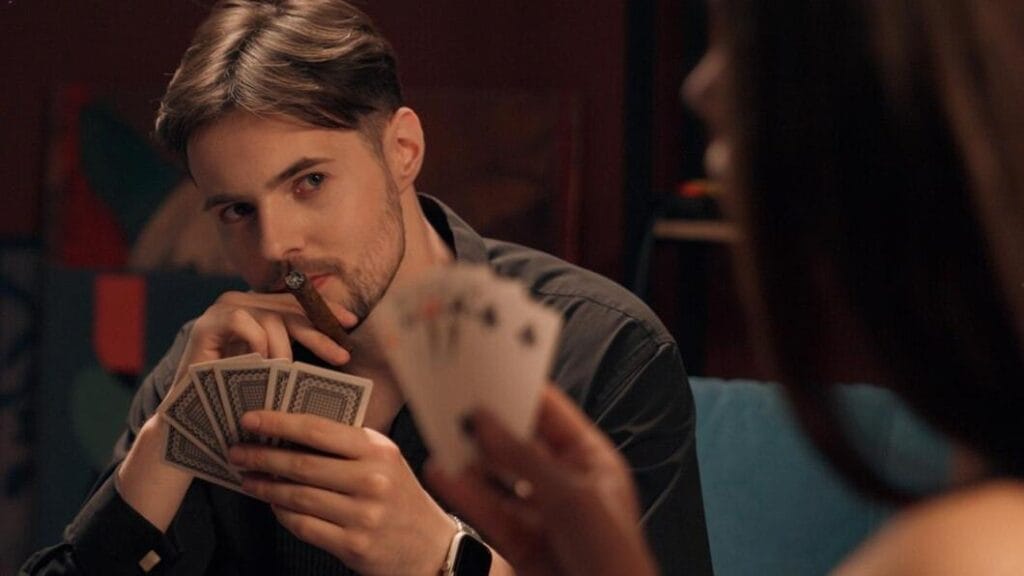
In the world of poker, maintaining a stoic poker face isn’t just a cliché it’s an essential skill for success. “Poker Face Unveiled: Mastering Emotional Control in Tense Games” explores the art of emotional discipline in poker. Whether you’re a seasoned pro or a casual player, understanding how to control your emotions can be the difference between winning big or folding under pressure.
Table of Contents
ToggleThe Essence of a Poker Face
A poker face goes beyond hiding your emotions; it’s about portraying confidence, calm, and unpredictability. It’s a strategic tool to prevent opponents from gauging your hand strength, but it also plays a crucial role in maintaining your mental equilibrium.
Emotional Intelligence in Poker
Emotional intelligence in poker means not only controlling your own emotions but also understanding other players. Good players notice small signs and behaviors from their opponents, which help them guess how they play and how strong their hand might be, a skill that becomes even more useful when choosing the right poker clubs to play in.
Strategies for Emotional Control
Mindfulness and Meditation:
Practicing mindfulness helps you stay present instead of drifting into fear, tilt, or frustration. Meditation or breathing exercises before or during breaks in a session can reduce anxiety and sharpen focus. When your mind is calm, your decisions become clearer.Pause and Think:
A simple pause before calling, raising, or folding can save you from emotional mistakes. That small moment gives you space to analyze the situation, consider ranges, and avoid acting purely out of excitement or frustration.Routine and Consistency:
A consistent playing routine, such as warming up, reviewing hands, or maintaining a steady mindset, builds emotional stability. Over time, familiarity reduces pressure, making it easier to remain composed even in high-stakes moments.
Handling the Highs and Lows
Poker is a game built on swings. No matter how skilled you are, sometimes the cards run cold, and sometimes they fall perfectly. Great players don’t let either situation control their behavior. Celebrating wins is healthy, but overly emotional reactions can cloud judgment. Losses, especially bad beats, should be seen as part of the game rather than personal failure. Staying balanced helps you maintain long-term success. Emotional stability keeps your strategy consistent, even when luck seems unpredictable.
Practical Tips for Maintaining a Poker Face
Avoid Emotional Triggers:
Recognize situations that upset or excite you, such as aggressive opponents or consecutive bad beats and be prepared to manage your reaction. Awareness is the first step to control.Physical Relaxation:
Your body often shows stress before your mind realizes it. Simple techniques like deep breathing, relaxing your shoulders, or maintaining steady posture help prevent physical tells that opponents may notice.Visualize Success:
Before a session, visualize different scenarios: tough calls, slowrolled wins, losing hands. Preparing mentally reduces emotional shock, making it easier to stay calm when these situations actually occur.
Learning from the Pros
Professional poker players are masters of emotional control. Their calm, expressionless demeanor isn’t accidental, it’s trained. Watching how pros react during massive pots, bad beats, or pressure moments offers valuable lessons. They rarely show frustration, and they never reveal unnecessary information. Studying their body language, decision timing, and emotional discipline can help you build the same resilience in your own game.
The Role of Experience
Nothing teaches emotional control better than real play. Every session, every hand, and every tough moment builds mental strength. Over time, players naturally learn to detach their emotions from the results. You become more comfortable with uncertainty, more patient with variance, and more confident in decision-making. Experience transforms emotional reactions into strategic responses, making your poker face not just a look, but a mindset.
Conclusion
Mastering your poker face isn’t just about keeping a straight face it’s about maintaining control over your emotions, reading others effectively, and staying mentally sharp under pressure. Emotional intelligence and self-awareness transform average players into great ones. The ability to stay composed during highs and lows, learn from each hand, and maintain balance is what truly defines a seasoned poker player. Over time, this emotional mastery becomes your greatest asset not just in poker, but in every aspect of decision-making.
Over time, this emotional mastery becomes your greatest asset not just in poker, but in every aspect of decision-making. If you’re ready to put your skills to the test and refine your poker mindset, join the ClubGG clubs at BluffingMonkeys.com where strategy, skill, and community come together to help you play smarter and grow as a player.
FAQs
1. What does having a poker face really mean?
Having a poker face means controlling your facial expressions and body language to avoid revealing any clues about your hand or emotions to your opponents. It helps you remain unpredictable.
2. How can I develop a better poker face?
Practice mindfulness, deep breathing, and visualization techniques. Focus on maintaining calm and composure, especially during tense or emotional moments at the table.
3. Why is emotional intelligence important in poker?
Emotional intelligence helps players read opponents, manage their own reactions, and make rational decisions instead of emotional ones, a key factor in consistent success.
4. How do professional poker players stay so calm?
Most professionals rely on years of experience, discipline, and mental training. Many use meditation, focus exercises, and consistent routines to stay centered and composed.
5. Can emotional control really improve my poker performance?
Absolutely. Emotional control allows you to think clearly, make smarter decisions, and avoid costly mistakes. It helps you stay consistent and resilient, even when luck isn’t on your side.
At BluffingMonkeys, we do more than just share poker strategy, reviews, and guides. We help players stay connected to the best games, latest updates, and biggest opportunities. Be sure to follow all of our social media channels so you never miss important announcements, bonuses, promotions, special events, and new offers. Keep exploring our content, and when you’re ready to join the action, use our live chat button on the homepage to connect with us or message @bluffingmonkeys24_7 on the Telegram App.
 Hindi
Hindi Russian
 Spanish
 Brazilian Portuguese
 Simplified Chinese
 English