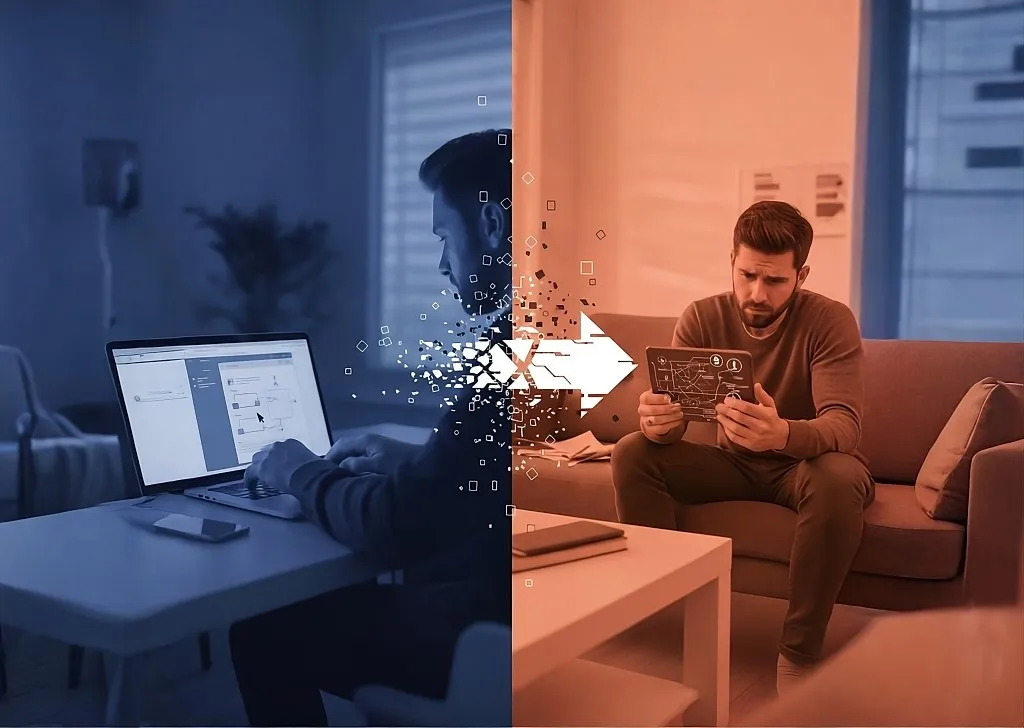
Online poker has never been more flexible. One moment you’re seated comfortably at a desktop, the next you’re glancing down at a mobile screen while life does its thing. That convenience is exactly why online poker device switching has become so common. Still, what looks harmless on the surface often carries hidden consequences underneath. Mid-session switching doesn’t just change your screen size, it shifts your mindset, interrupts momentum, and nudges consistency off balance when you least expect it.
This article breaks down why players switch devices, how that habit quietly chips away at performance, and why modern poker platforms pay close attention to these transitions. No scare tactics, no hype, just a grounded look at what actually happens when devices change mid-session.
This deeper look aligns with how modern poker platforms continue to shape player behavior, decision-making, and long-term consistency across online sessions.
Online Poker Device Switching: Why Players Do It
Let’s be honest, device switching didn’t become popular by accident. It exists because modern poker platforms made it seamless, fast, and familiar across screens. Still, convenience doesn’t always equal control.
Comfort and Environment Changes
Players often start sessions in one environment and finish them in another. A desktop might feel right for deeper focus, while a phone works better during short breaks or travel time. Switching feels natural, almost automatic.
Interface Preferences
Some players prefer the larger visuals of a monitor, others enjoy touch-based controls. When fatigue sets in or attention dips, the instinct to switch devices kicks in as a way to “reset” focus.
Session Continuity
Many platforms allow sessions to resume instantly on another device. Log out here, log in there, and the table reappears. No friction. No warning signs. That smoothness encourages frequent transitions, especially in formats like online poker device switching Texas Holdem, where sessions can stretch longer than expected.
Experimentation and Free Environments
Search trends like online poker device switching free show that even casual or practice-based players experiment with switching simply to see how different interfaces feel. The behavior forms early, long before consistency becomes a priority.
Online Poker Device Switching Mid-Session Hurts Consistency
Here’s where things quietly go sideways. The moment you switch devices mid-session, your brain has to recalibrate. And poker, at its core, rewards continuity.
Cognitive Reset You Didn’t Ask For
Switching devices forces your mind to reprocess visual cues, spacing, button placement, and timing. Even if it takes only seconds, that micro-reset breaks flow. Decisions that felt automatic suddenly require thought again.
Muscle Memory Disruption
Consistency relies on repetition. The way you interact with cards, options, and timing becomes subconscious over time. Change the device, and that muscle memory evaporates, at least temporarily.
Attention Fragmentation
Device switching often happens alongside other distractions. Notifications, background noise, or simply the act of moving locations pulls attention away from the table. Focus doesn’t snap back instantly. It drifts.
Timing Sensitivity
Poker platforms run on precise timing windows. Even slight delays during reconnection or interface loading can affect how comfortably decisions are made. You may feel rushed, hesitant, or oddly out of sync for several hands afterward.
Interface Differences That Quietly Cause Errors
Even when platforms aim for uniform design, no two devices feel identical in use.
Screen Size and Visual Density
- Desktop layouts display more information at once
- Mobile screens compress action into tighter spaces
- Peripheral awareness shrinks on smaller displays
This visual shift can cause missed patterns or delayed recognition.
Control Placement Changes
Buttons move. Sliders feel different. Touch replaces clicks. These aren’t dramatic changes, but they’re enough to create hesitation or misinputs when timing matters most.
Orientation Adjustments
Switching between landscape and portrait views alters spatial awareness. The table feels unfamiliar, even if the cards are the same.
How Platforms Interpret Frequent Device Switching
Behind the scenes, poker platforms don’t just render cards, they observe behavior patterns.
Device Fingerprinting and Pattern Analysis
Modern systems track how sessions behave across devices. Frequent switching, rapid logins, or overlapping activity can appear unusual when combined with other signals.
AI Monitoring Behavior Consistency
This is where conversations around poker cheater AI often surface. Platforms use AI to identify patterns that don’t match typical human play, timing regularity, reaction uniformity, or session behavior that seems overly precise.
Switching devices alone doesn’t trigger concern. But inconsistency layered on top of switching can draw closer analysis.
Why Stability Looks Normal
From a system perspective, steady behavior across a session looks natural. Rapid environmental changes don’t. Consistency aligns with human habits; constant switching doesn’t.
Multi-Device Play vs Mid-Session Switching
There’s an important distinction here.
- Multi-device access means using different devices at different times
- Mid-session switching means changing devices while the same session is active.
The first is common and expected. The second is where issues begin to stack up, mentally and technically.
The Myth of “Smoother Play” Through Switching
Some players believe switching devices refreshes focus. In reality, it often delays recovery.
What feels like a reset is usually a distraction disguised as control. True consistency comes from settling into one environment and letting decisions flow without interruption.
Poker Technology Parallels: Physical and Digital
Interestingly, the concept of consistency isn’t unique to online play.
In physical poker environments, tools like a poker shuffling machine exist to standardize outcomes and reduce variance in setup. When those systems malfunction or behave unpredictably, trust erodes.
The same principle applies online. Stability builds confidence. Sudden changes undermine it.
When Switching Is Unavoidable: Damage Control Tips
Sometimes, switching can’t be avoided. In those moments, awareness helps minimize disruption.
- Switch between hands, not during active decisions
- Pause briefly after reconnecting to re-center
- Ensure similar display settings across devices
- Avoid switching repeatedly within the same session
Think of it as easing into a new rhythm instead of forcing it.
FAQs
Does switching devices affect performance even if the platform allows it?
Yes. Platform support doesn’t eliminate the cognitive and behavioral effects of switching. Convenience doesn’t equal consistency.
Is device switching more disruptive on mobile than desktop?
Mobile devices amplify visual compression and touch-based variability, making adjustment periods more noticeable.
Do free platforms or practice modes change the impact of switching?
The mental effects remain the same. Habits formed in free environments often carry into more serious play.
Why do platforms monitor switching behavior at all?
Consistency helps systems distinguish natural human behavior from automated or coordinated activity patterns.
Is there a best device for long sessions?
The best device is the one you commit to for the duration of the session without interruption.
Conclusion
Online poker thrives on rhythm, repetition, and mental continuity. While modern platforms make switching devices easy, ease doesn’t mean neutrality. Mid-session switching subtly fragments focus, disrupts muscle memory, and introduces unnecessary variance into decision-making.
Consistency isn’t built on flexibility alone, it’s built on staying put, staying sharp, and letting the session unfold without avoidable interruptions. When the cards are already unpredictable, your environment doesn’t need to be.
How Device Switching Mid-Session Hurts Consistency.
At BluffingMonkeys, we do more than just share poker strategy, reviews, and guides. We help players stay connected to the best games, latest updates, and biggest opportunities. Be sure to follow all of our social media channels so you never miss important announcements, bonuses, promotions, special events, and new offers. Keep exploring our content, and when you’re ready to join the action, use our live chat button on the homepage to connect with us or message @bluffingmonkeys24_7 on the Telegram App.
 Hindi
Hindi Russian
 Spanish
 Brazilian Portuguese
 Simplified Chinese
 English