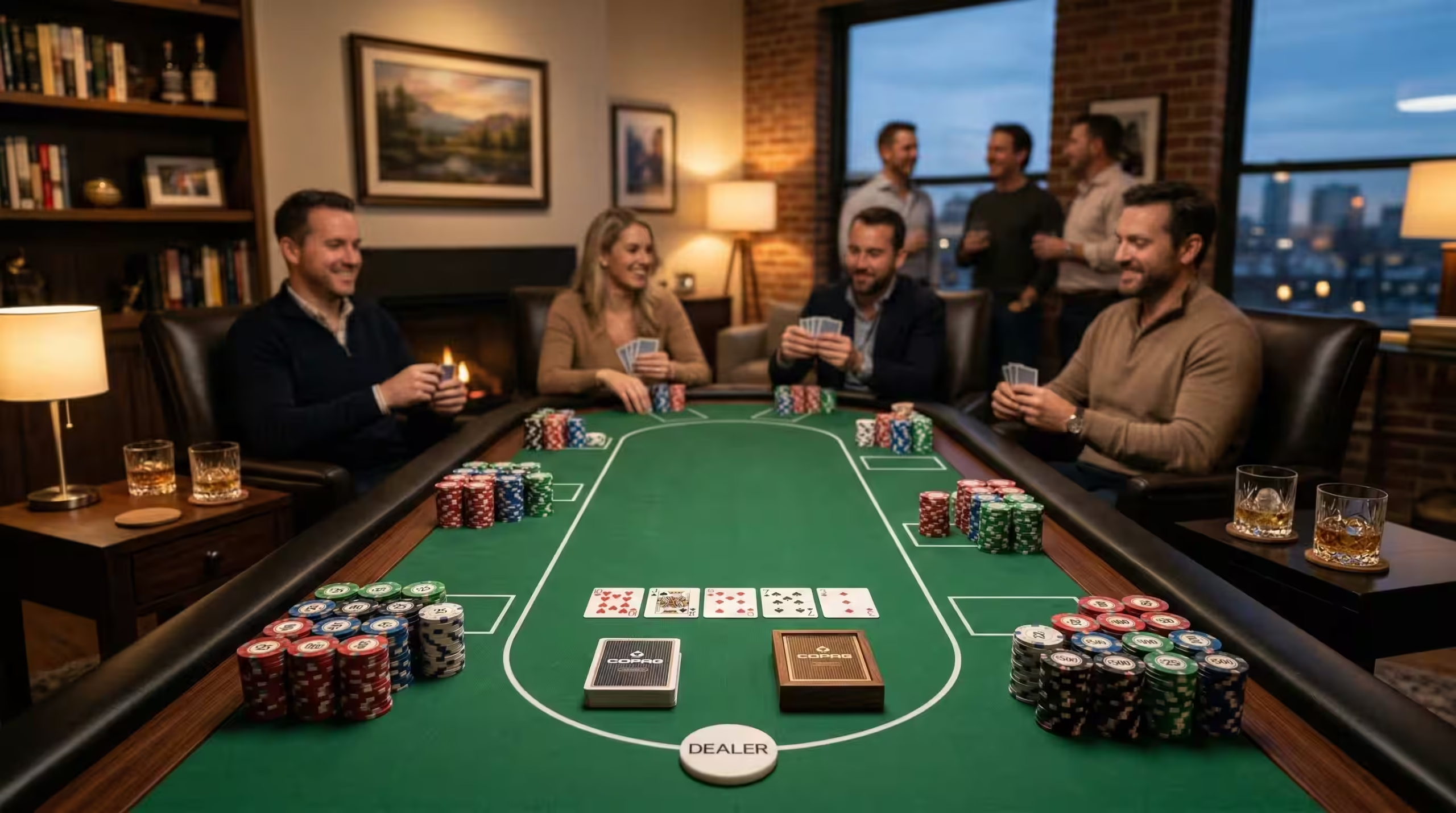
Hosting a home poker night sounds simple.
Deal cards. Open drinks. Shuffle chips.
But if you’ve ever been to a poorly run home game, you know how fast it can fall apart:
- Confusion over rules
- Arguments about bets
- Slow dealing
- Awkward money disputes
- One player ruining the vibe
A great home poker night isn’t just about cards. It’s about structure.
Here’s how to host a smooth, fair, and fun poker night-from setup to etiquette-without chaos.
Step 1: Decide the Format (Before Anyone Arrives)
Nothing kills momentum like arguing about structure mid-game. Choose in advance:
Cash Game or Tournament?
Cash Game
- Players buy in for chips that represent real money.
- Players can leave anytime.
- Blinds stay consistent.
Best for flexibility and casual nights.
Tournament
- Everyone pays a fixed entry.
- Equal starting stacks.
- Blinds increase over time.
- One winner (or top few paid).
Best for competitive structure.
For beginners, a low-stakes cash game is usually smoother.
Step 2: Set Clear Stakes
Keep it friendly. A home game isn’t the World Series of Poker.
Examples:
- $0.25 / $0.50 blinds
- $20-$50 buy-in
- $50-$100 max buy-in cap
Important: Set a maximum buy-in to prevent one player from overpowering the table financially. The goal is fun + longevity-not financial stress.
Step 3: Gather Proper Equipment
A smooth game feels professional. Minimum essentials:
- Poker chips (real chips, not coins)
- 2 decks of cards (rotate to speed up play)
- Dealer button
- Big blind & small blind buttons (optional but helpful)
- Clear chip denominations
Optional upgrades:
- Poker table or felt
- Card shuffler
- Timer app (for tournaments)
- Printed rule sheet
Good equipment speeds up the game and reduces disputes.
Step 4: Establish House Rules Up Front
Before the first hand, clarify:
- Verbal bets are binding.
- String bets are not allowed.
- Show one, show all.
- One player to a hand.
- No phones during active hands (recommended).
Clear rules prevent awkward arguments later. If disputes arise, the host’s decision is final. Keep it neutral and fair.
Step 5: Assign Dealer Responsibility
You have two options:
Rotating Dealer: Each player deals when they have the button.
- Pros: Fair, Easy
- Cons: Slows the game, Inexperienced dealers may struggle
Dedicated Dealer (Optional): If someone prefers not to play, they can deal. For most casual games, rotating works fine.
Step 6: Keep the Game Moving
Slow games kill energy. To maintain pace:
- Encourage players to act promptly.
- Avoid tanking over small pots.
- Shuffle the next deck during the current hand.
- Discourage constant phone distraction.
If tournament format: Use blind timers (15-20 minute levels are ideal for casual games). Momentum keeps the game fun.
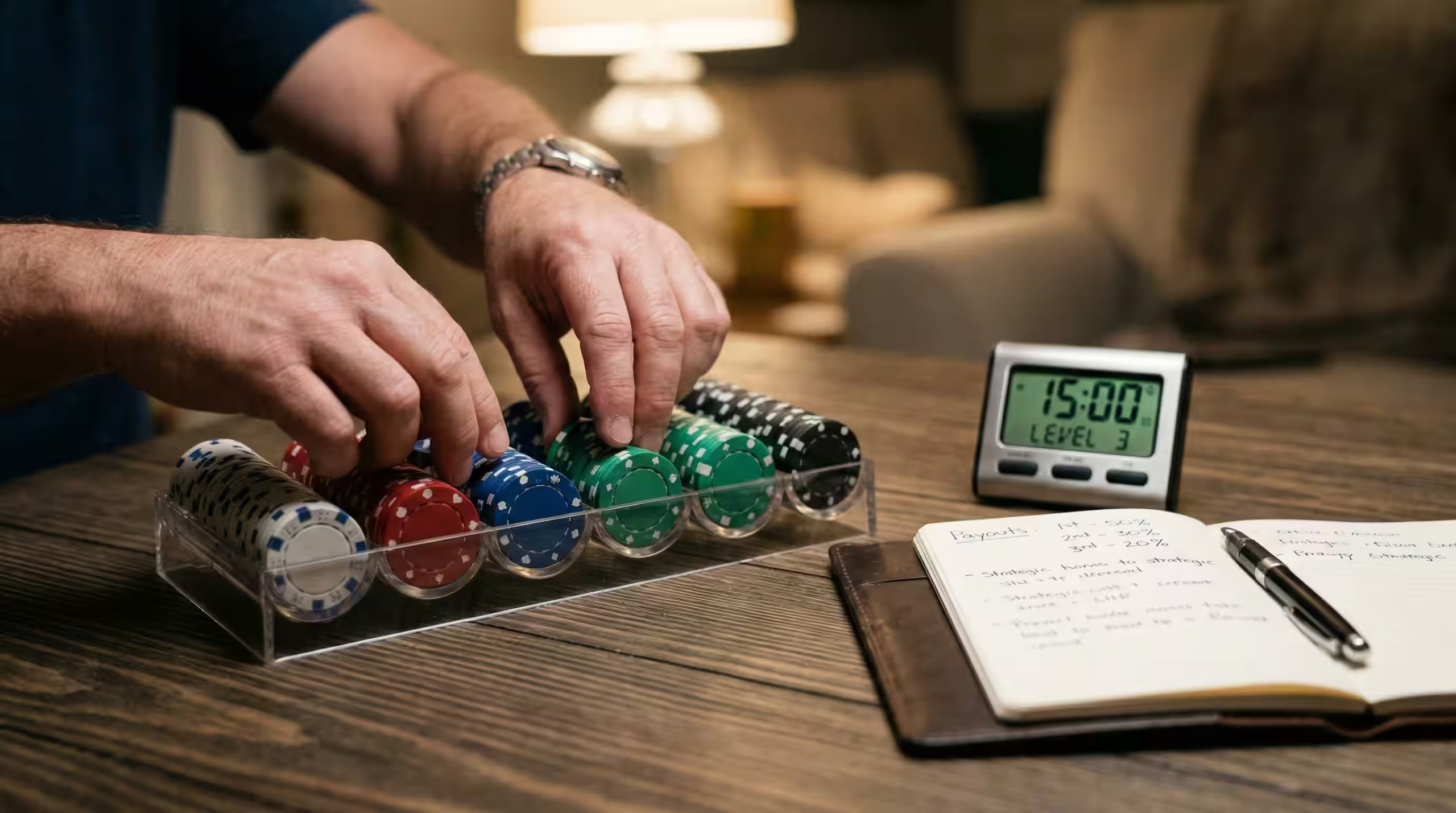
Step 7: Handle Money Transparently
Money problems ruin friendships. Best practices:
- Collect buy-ins before starting.
- Keep chips clearly separated.
- Use visible chip denominations.
- Rebuy only between hands.
If doing payouts:
Example tournament structure (10 players, $50 buy-in = $500 prize pool):
- 1st: $300
- 2nd: $150
- 3rd: $50
Post payouts visibly so everyone agrees.
Step 8: Create the Right Atmosphere
Poker night should feel competitive-but relaxed. Good hosting includes:
- Comfortable seating
- Clear table lighting
- Background music (low volume)
- Snacks and drinks
Avoid:
- Loud distractions
- Non-players crowding table
- Excessive alcohol if competitiveness matters
Balance social and serious energy.
Step 9: Enforce Basic Poker Etiquette
Good etiquette keeps games smooth.
- No Slow Rolling: If you have the winning hand, show it promptly.
- No Coaching During Hands: “One player to a hand” protects fairness.
- Don’t Berate Players: Bad beats happen. Respect the table.
- Protect Your Cards: Keep them visible but secure.
- Act in Turn: Out-of-turn action creates confusion.
Most etiquette issues disappear if the host sets the tone early.
Step 10: Keep It Safe and Responsible
Important in 2026:
- Keep stakes recreational.
- Don’t allow players to gamble beyond comfort.
- Avoid lending money mid-game.
- Keep event private and controlled.
Home poker nights should be social, controlled, and responsible. Not underground chaos.
Common Home Game Mistakes
- No Defined Structure: Leads to arguments.
- Too Many Players: 8-9 max per table. Beyond that, it drags.
- Poor Chip Distribution: Have enough low-denomination chips.
- No Clear End Time: Set expectations (“Game runs 7 PM – Midnight”).
Structure creates comfort.
Sample Beginner-Friendly Setup
- Game Type: No-Limit Texas Hold’em
- Blinds: $0.25 / $0.50
- Buy-In: $20-$50
- Players: 6-8
- Rebuys: Allowed anytime
- End Time: Midnight
Simple. Clean. Fun.
Why Home Games Still Matter
Before televised poker and online platforms, home games built the poker culture. They still:
- Strengthen friendships
- Develop fundamentals
- Teach live tells
- Create competitive fun
For many players, home games are the entry point into serious poker. Done right, they’re memorable. Done poorly, they’re stressful.
Final Thoughts
Hosting a great poker night isn’t about flashy chips or massive pots.
It’s about clear structure, fair rules, smooth pace, and respectful atmosphere.
When players feel comfortable, clear on rules, and treated fairly, the night becomes something people want to repeat.
That’s the mark of a great host.
At BluffingMonkeys, we do more than just share poker strategy, reviews, and guides. We help players stay connected to the best games, latest updates, and biggest opportunities. Be sure to follow all of our social media channels so you never miss important announcements, bonuses, promotions, special events, and new offers. Keep exploring our content, and when you’re ready to join the action, use our live chat button on the homepage to connect with us or message @bluffingmonkeys24_7 on the Telegram App.