
Parejas de mano en el póker parecen simples al principio.
Empiezas la mano con una pareja hecha. Eso se siente fuerte. Se siente limpio. Se siente como el tipo de mano que debería hacer dinero automáticamente.
Esa es exactamente la razón por la que tantos jugadores los juegan mal.
Jugar bien las parejas de mano no se trata solo de esperar ligar un trío. Se trata de entender qué parejas buscan valor, qué parejas buscan protección, qué parejas buscan principalmente valor de trío y qué parejas se convierten en incómodos 'bluff-catchers' en boards equivocados.
Esa es la habilidad real.
Una vez que entiendes eso, las parejas de bolsillo dejan de sentirse como una categoría de mano y comienzan a sentirse como varias clases estratégicas diferentes.
¿Por qué las parejas de bolsillo confunden a tantos jugadores?
Las parejas de bolsillo crean una trampa psicológica muy específica.
Parecen más fuertes de lo que realmente juegan.
Ese es el problema.
Los jugadores se apegan a ellas demasiado pronto porque la mano ya parece "hecha" antes del flop. Luego, el board lo cambia todo, y muchos jugadores no se ajustan con la suficiente honestidad. Siguen tratando una pareja como si una pareja todavía debiera ser suficiente solo porque empezó en su mano en lugar de en el board.
Así es como las hermosas manos iniciales se convierten en costosos errores.
No Todas las Parejas de Mano Deben Jugarse de la Misma Manera
Esta es la primera gran mejora en el pensamiento.
Los ases de mano no se juegan como los seises de mano. Las reinas de mano no se juegan como los nueves de mano. Los doses de mano no se juegan como los jotas de mano.
Las categorías más amplias suelen verse así:
- pares grandes de bolsillo: AA, KK, QQ, a menudo JJ
- parejas de bolsillo medias: aproximadamente TT hasta 66 o 55 dependiendo del contexto
- parejas de mano pequeñas: las parejas más bajas que a menudo dependen más del valor del set que de la fuerza del showdown
Esa distinción importa porque las manos ganan dinero de diferentes maneras.
Las parejas grandes generalmente quieren valor, no drama
Las parejas grandes son donde los jugadores a menudo complican demasiado las cosas.
Con manos como AA, KK y QQ, muchos jugadores o juegan demasiado lento o entran en pánico demasiado rápido en el momento en que el tablero se vuelve incómodo.
La verdad es más simple.
Los pares grandes suelen ganar dinero construyendo botes contra manos peores antes de que el miedo se apodere. No necesitan trucos innecesarios. Necesitan una extracción de valor limpia, una disciplina sólida preflop y una mayor honestidad sobre qué boards todavía los favorecen.
Esta es una razón estrategia de botes 3-bet importa mucho. Las parejas grandes aparecen constantemente en esos botes, y muchos jugadores todavía las manejan mal una vez que el tablero se vuelve menos amigable.
Los pares del medio son los verdaderos alborotadores
Aquí es donde muchos jugadores pierden dinero silenciosamente.
Las parejas medias a menudo se sienten demasiado fuertes para retirarse y demasiado débiles para amarlas. Eso es lo que las hace peligrosas.
Manos como 99, 88, 77, o a veces TT crean situaciones postflop difíciles porque pueden estar por delante de rangos amplios antes del flop, pero se vuelven incómodas rápidamente una vez que aparecen cartas altas o el bote crece demasiado.
Estas manos a menudo no pierden porque son débiles. Pierden porque los jugadores insisten en darles un papel que no merecen.
Es por eso que la disciplina importa tanto aquí.
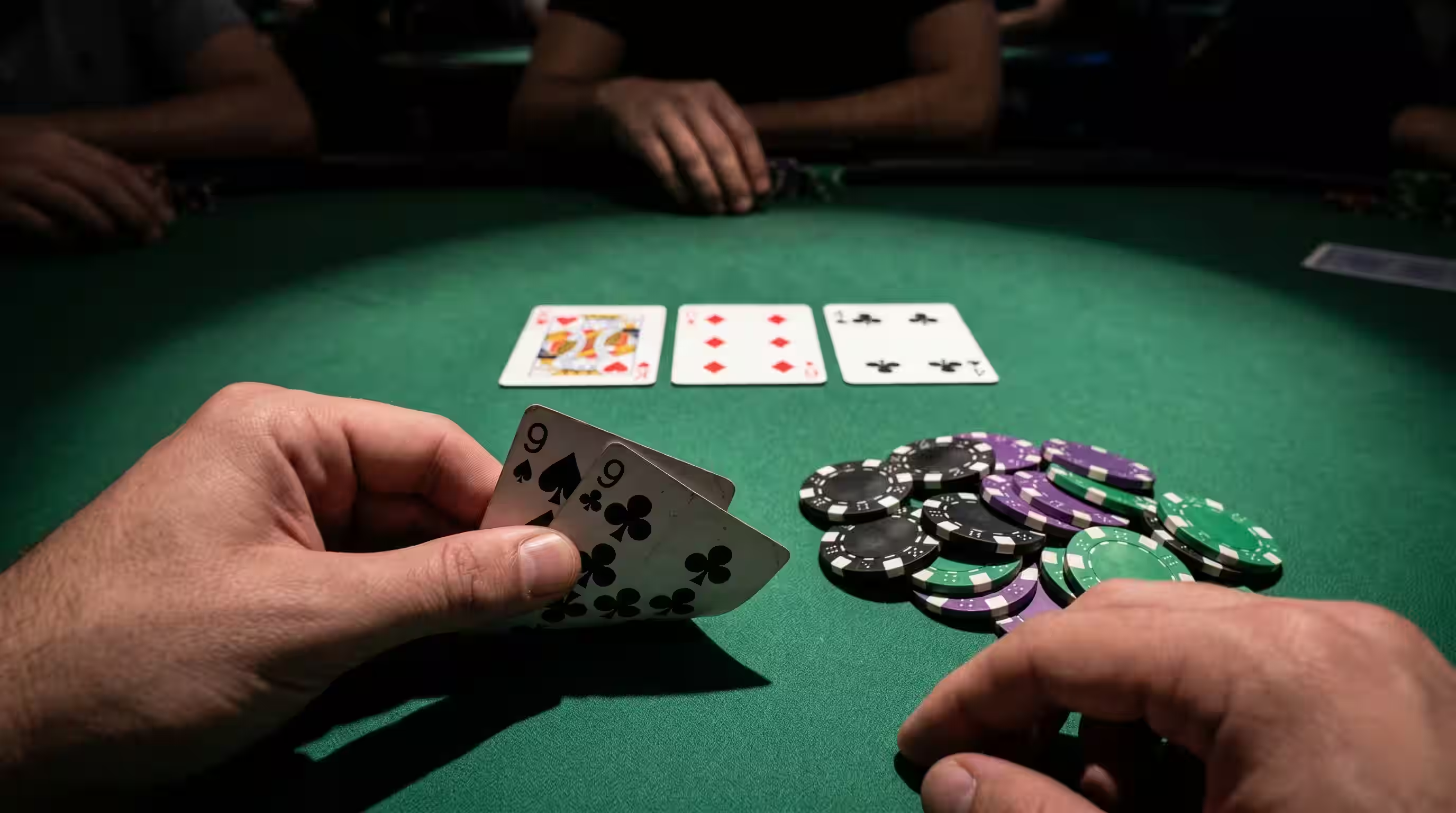
Los Pares Pequeños de Bolsillo Ganan Dinero Principalmente a Través del Valor del Set
Esta es la parte que muchos jugadores conocen, pero aun así la simplifican demasiado.
Sí, las parejas de bolsillo pequeñas a menudo quieren ligar sets. Eso sigue siendo cierto.
Pero el error es convertir esa verdad en un juego automático perezoso.
Los pares pequeños no son solo manos de "llamar y esperar". Su valor depende de la profundidad de las pilas, la posición, las probabilidades implícitas, el tipo de oponente y si el entorno postflop realmente te pagará lo suficiente cuando aciertes.
Si esas condiciones son débiles, un par pequeño puede volverse mucho menos atractivo de lo que los jugadores quieren creer.
Aquí es exactamente donde probabilidades del bote en el póker y el pensamiento de valor implícito comienza a importar de verdad.
El Set Mining es Poderoso, pero se Idealiza Demasiado
A los jugadores les encanta la idea de extraer sets porque parece simple.
Iguala preflop, liga el set, cobra.
A veces eso sucede. Muchas veces no.
Dado que solo ligas un trío alrededor del 11.8% de las veces, la pregunta no es solo si pueden golpear uno. Se trata de si las condiciones alrededor de la mano hacen que perder sea asequible y golpear sea lo suficientemente rentable. :contentReference[oaicite:3]{index=3}
Esa es la diferencia entre el set mining inteligente y la adoración perezosa del set.
La Posición Cambia el Valor de los Pares de Bolsillo Más de lo que los Jugadores Admiten
Una pareja pequeña en posición es una mano muy diferente a la misma pareja pequeña fuera de posición.
La posición lo cambia todo:
- qué tan bien te das cuenta de la equidad
- qué tan fácil puedes controlar el bote
- cuán rentable es tomar una calle o dos
- qué tan claramente puedes extraer valor cuando mejoras
Es por eso que posición en el póker importa muchísimo. Los pares de bolsillo son una de las clases de manos más claras cuyo valor aumenta y disminuye con la calidad del asiento.
Las cartas altas en el tablero lo cambian todo
Esta es una de las mayores fugas postflop con parejas de mano.
Los jugadores empiezan con 99, el flop es K-7-3, y siguen tratando la mano como si “todavía tengo una pareja” resolviera el problema.
No lo hace.
En el momento en que aparecen cartas altas, tu pareja de mano cambia de categoría. A veces se convierte en un 'bluff-catcher'. A veces se convierte en una mano de valor de una calle. A veces se convierte en un 'check-back'. A veces se convierte en un fold.
La clave es dejar de pensar en términos de tu mano inicial y empezar a pensar en términos de lo que hizo el tablero con ella.
Esto es exactamente por qué textura del board en póker importa tanto. Las parejas de mano son una de las clases de manos más expuestas por los jugadores que leen mal la textura.
Las parejas de bolsillo en botes de 3 apuestas necesitan más honestidad
Aquí es donde muchos jugadores se ponen tercos.
Llaman a una resubida (3-bet) con una pareja media, fallan el trío, y luego luchan por aceptar en qué se ha convertido la mano. Así es como las parejas medias se convierten en costosos 'bluff-catchers' en botes que ya eran grandes antes del flop.
Algunos pares de bolsillo todavía se desempeñan bien en estas situaciones. Otros no. El verdadero error es pretender que todos se comportan de la misma manera una vez que el bote se infla.
Es por eso que los botes de 3 apuestas requieren mucha más disciplina con parejas de bolsillo de la que los jugadores suelen querer mostrar.
No conviertas cada pareja de mano en una mano para ir all-in
Otro error común es el compromiso emocional.
Los jugadores ponen dinero preflop con una pareja y luego comienzan a sentirse casados con la mano. El bote se hace más grande y confunden la inversión con la obligación.
Eso no es estrategia. Eso es apego.
Una pareja de mano no es valiosa porque empezaste con ella. Solo es valiosa en la medida en que el tablero actual, los rangos y la acción todavía la respaldan.
Eso suena obvio. Aun así, ahorra mucho dinero cuando lo aplicas.
Cómo estudiar las parejas de bolsillo de manera más efectiva
Una de las mejores maneras de mejorar con parejas de mano es dejar de revisar solo las manos dramáticas.
No revises solo los coolers y suckouts. Revisa los normales:
- la continuación de apuesta (c-bet) que hiciste con 88 en un flop A-high
- el turn que apostaste automáticamente con 99
- la llamada de set-mining con 44 que nunca tuvo suficiente potencial alcista
- el bote de 3 apuestas donde TT se convirtió en una suposición en lugar de un plan
Ahí es donde vive la mejora real.
Si quieres limpiarte esas manos antes de analizarlas, la Formateador de Historial de Manos de Póker ayuda mucho porque hace que la revisión sea mucho más fácil de leer.
Y si quieres probar cómo se desempeña realmente una pareja de bolsillo contra un rango de continuación realista, el Calculadora de equidad de rangos vs rangos es una de las herramientas más útiles para ir más allá de “esto se sintió fuerte” a “¿cómo rindió realmente este rango?”
Cómo jugar mejor las parejas de bolsillo de inmediato
- Deja de tratar todas las parejas igual: las parejas grandes, medianas y pequeñas tienen trabajos diferentes.
- Respeta la posición: la misma pareja se comporta de manera muy diferente dentro y fuera de posición.
- No romantices el set mining: las condiciones aún necesitan tener sentido.
- Sé honesto con las overcards: tu pareja cambia de categoría una vez que el tablero cambia.
- No te apiles automáticamente: la inversión no significa obligación.
- Revisa las manos aburridas: ahí es donde suelen vivir las fugas.
Si recuerdas una cosa
Las parejas de mano en el póker no son un tipo de mano. Son varias clases de manos estratégicas diferentes, y el mayor error que cometen los jugadores es pretender que todas merecen el mismo plan.
Esa es la verdadera lección.
Una vez que entiendes eso, los pares de bolsillo dejan de ser favoritos emocionales y comienzan a convertirse en partes mucho más rentables de tu rango.
Preguntas frecuentes: Parejas de mano en el póker
¿Qué es una pareja de bolsillo en el póker?
Una pareja de mano en póker significa que tus dos cartas ocultas son del mismo rango, como 8-8, J-J o A-A.
¿Con qué frecuencia obtienes una pareja de bolsillo en póker?
Te reparten una pareja de bolsillo aproximadamente una vez cada 17 manos en Texas Hold’em. :contentReference[oaicite:4]{index=4}
¿Con qué frecuencia ligas un set con un par de bolsillo?
Haces trío aproximadamente el 11.8% de las veces, lo que es aproximadamente 7.5 a 1 en contra. :contentReference[oaicite:5]{index=5}
¿Siempre debes hacer set mining con parejas pequeñas de bolsillo?
No. Las parejas pequeñas de bolsillo dependen de la profundidad de las pilas, la posición, las probabilidades implícitas y la probabilidad de que te paguen lo suficiente cuando mejores.
¿Por qué son tan difíciles de jugar las parejas medias?
Porque a menudo se sienten demasiado fuertes para retirarse y demasiado débiles para amar, especialmente una vez que las cartas altas llegan al tablero o el bote se vuelve grande.