
Poker has evolved fast.
If you’re still playing based on advice from 2008, you’re bleeding chips. The modern game-especially online and mid-stakes live-rewards structure, range awareness, and disciplined aggression.
The biggest leaks most players have in 2026 aren’t mechanical mistakes.
They’re outdated beliefs.
Here are 10 poker myths that are quietly costing you money-and what to do instead.
Myth #1: “You Have to Play Tight to Win”
Tight is good. Too tight is predictable.
In 2026, winning players:
- Steal blinds aggressively
- Attack capped ranges
- Apply pressure in position
- Defend wider in the right spots
If you’re folding every marginal spot out of fear, stronger players are farming your blinds.
Reality:
Play tight early in hands. Play aggressive when ranges narrow. Controlled aggression wins.
Myth #2: “Live Poker Is Easy Money”
Yes, live poker can be softer than online. But it’s not automatic profit.
Live traps:
- Underestimating rake impact
- Playing too many marginal spots multiway
- Calling large river bets in under-bluffed pools
- Letting boredom drive decisions
In many live low-stakes games, big river bets are value-heavy.
Reality:
Exploit population tendencies. Value bet relentlessly. Bluff less on rivers unless the spot is structurally strong.
Myth #3: “If They Bet Big, They’re Bluffing”
Hollywood logic.
In real low-to-mid stakes environments:
- Large river bets are under-bluffed.
- Most players are not balanced.
- Big bets often represent strength.
Calling because “he could be bluffing” is one of the most expensive habits in poker.
Reality:
Count value combos. If bluff combos are scarce, fold. Hero calls are rare for a reason.
Myth #4: “GTO Means Playing Perfect Poker”
Game Theory Optimal strategy is a framework-not a license to ignore opponents.
Most low-to-mid stakes games are:
- Over-folded in some spots
- Under-bluffed in others
- Poorly balanced
Blindly following solver outputs without adjusting to population tendencies burns EV.
Reality:
Use GTO as a baseline. Exploit population mistakes aggressively.
Myth #5: “You Should Always Trust Your Gut”
Your gut is usually just emotion. Tilt feels like instinct. Fear feels like discipline. Curiosity feels like bravery.
Professionals don’t trust feelings-they trust logic:
- Range analysis
- Bet sizing logic
- Board texture
- Player tendencies
Reality:
If you can’t explain your call or bluff logically, it’s probably wrong.
Myth #6: “You Need to Bluff Constantly to Win”
Bluffing is powerful-but only in the right spots.
At lower stakes:
- Players call too much
- Under-bluff rivers
- Overvalue top pair
The best players in soft pools often win by:
- Thin value betting
- Avoiding fancy plays
- Folding correctly
Reality:
Bluff when ranges are capped and the story makes sense. Otherwise, value bet.
Myth #7: “More Volume Automatically Means More Profit”
Volume without improvement equals faster losses. Playing 10,000 hands badly is worse than playing 1,000 hands well.
Winning players in 2026:
- Review hands weekly
- Study specific leaks
- Track winrates
- Adjust to population shifts
Grinding without feedback is autopilot. Autopilot bleeds money.
Reality:
Study is part of profit.
Myth #8: “If You’re Winning This Month, You’re Crushing”
Short-term results lie. Variance in cash games and tournaments can distort reality for months.
You can:
- Play great and lose
- Play badly and win
Many players move up stakes on heaters and move down broke.
Reality:
Track long-term results. Respect bankroll management. In 2026, bankroll discipline is non-negotiable.
Myth #9: “Table Image Doesn’t Matter Online”
It matters less than live-but it still matters.
- Frequent 3-bettors get less credit.
- Tight players get folds more easily.
- Aggressive lines shape future decisions.
Regulars adjust. If you never think about how others perceive you, you’re missing EV.
Reality:
Your history influences future folds and calls.
Myth #10: “Poker Is Just About Cards”
It’s about structure. Winning poker in 2026 requires:
- Range awareness
- Understanding capped vs uncapped ranges
- Bet sizing strategy
- Population reads
- Emotional control
- Bankroll discipline
The players who survive long term treat poker like a system-not a gamble.
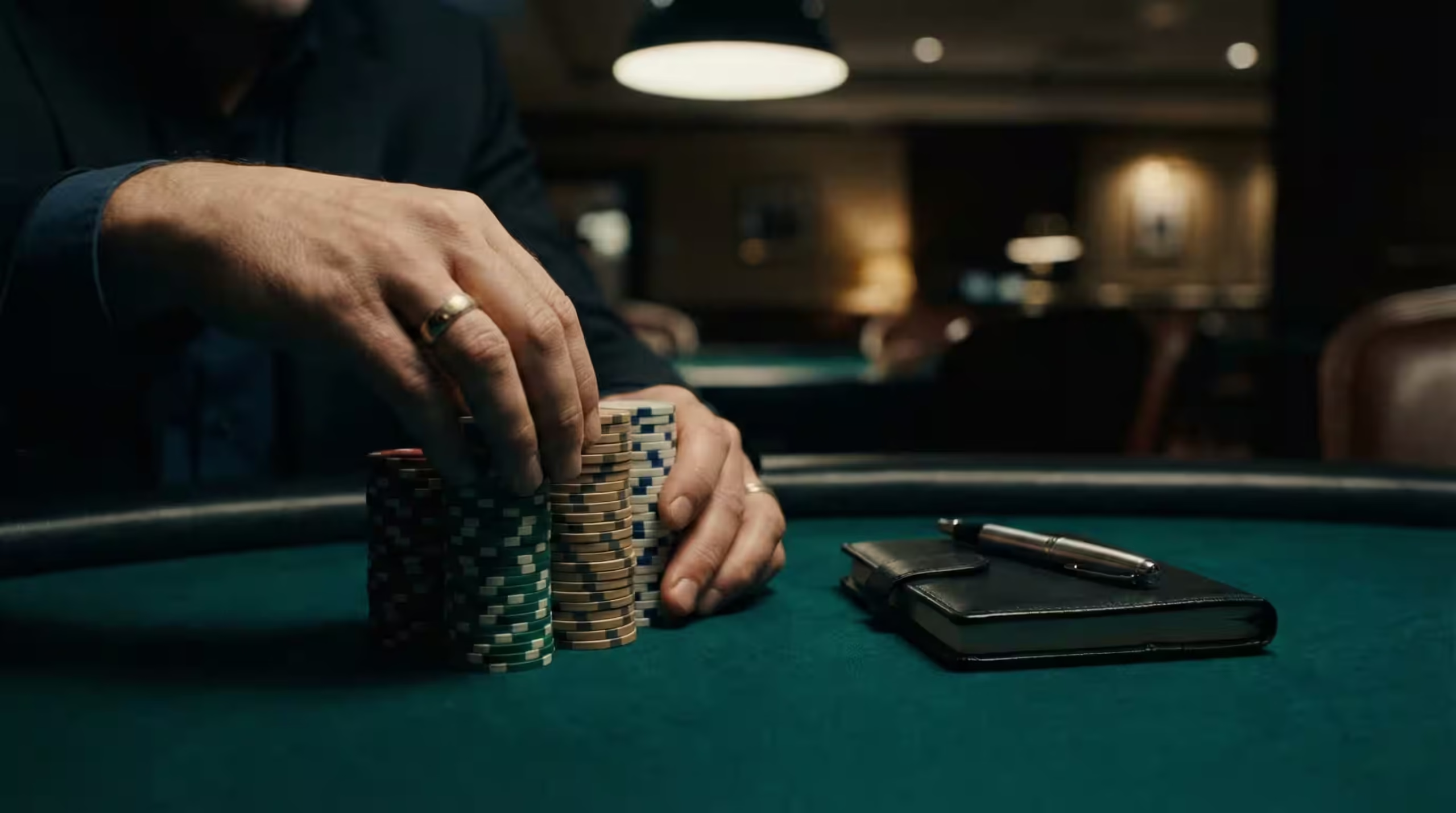
How To Crush Poker in 2026
If you remove these myths, here’s what remains:
- Play Aggressive in Range-Advantaged Spots: Attack when the board favors you.
- Fold More in Under-Bluffed Pools: Especially live rivers.
- Value Bet Thinner: Most recreational players call too much.
- Study Specific Leaks: Don’t “study poker.” Study your mistakes.
- Protect Your Bankroll: Use conservative buy-in rules (50-100 buy-ins online cash, 30-60 live cash, 200+ for tournaments).
- Track Results Objectively: Emotion distorts memory. Numbers don’t.
The 2026 Poker Edge
The edge today isn’t secret strategy. It’s discipline.
Most players:
- Overestimate bluffs
- Underestimate rake
- Overplay marginal hands
- Ignore bankroll math
- Study inconsistently
If you simply play structured, avoid ego decisions, apply pressure correctly, and exploit population tendencies, you’re ahead of the majority.
Final Thoughts
Poker myths are expensive because they feel comfortable. Comfortable thinking loses money.
The players who crush in 2026 aren’t flashy. They’re structured.
Remove the myths. Play logically. Let math-not emotion-drive decisions. That’s how you win long term.
At BluffingMonkeys, we do more than just share poker strategy, reviews, and guides. We help players stay connected to the best games, latest updates, and biggest opportunities. Be sure to follow all of our social media channels so you never miss important announcements, bonuses, promotions, special events, and new offers. Keep exploring our content, and when you’re ready to join the action, use our live chat button on the homepage to connect with us or message @bluffingmonkeys24_7 on the Telegram App.